Sauna or steam room — which is better for your health? Here is a clear comparison of the two, covering temperature, humidity, health benefits, and which is right for your home.
Saunas and steam rooms are both popular wellness facilities, but they work in very different ways and offer distinct benefits. Understanding the differences will help you decide which is right for your home — or whether you want both.
The Key Differences
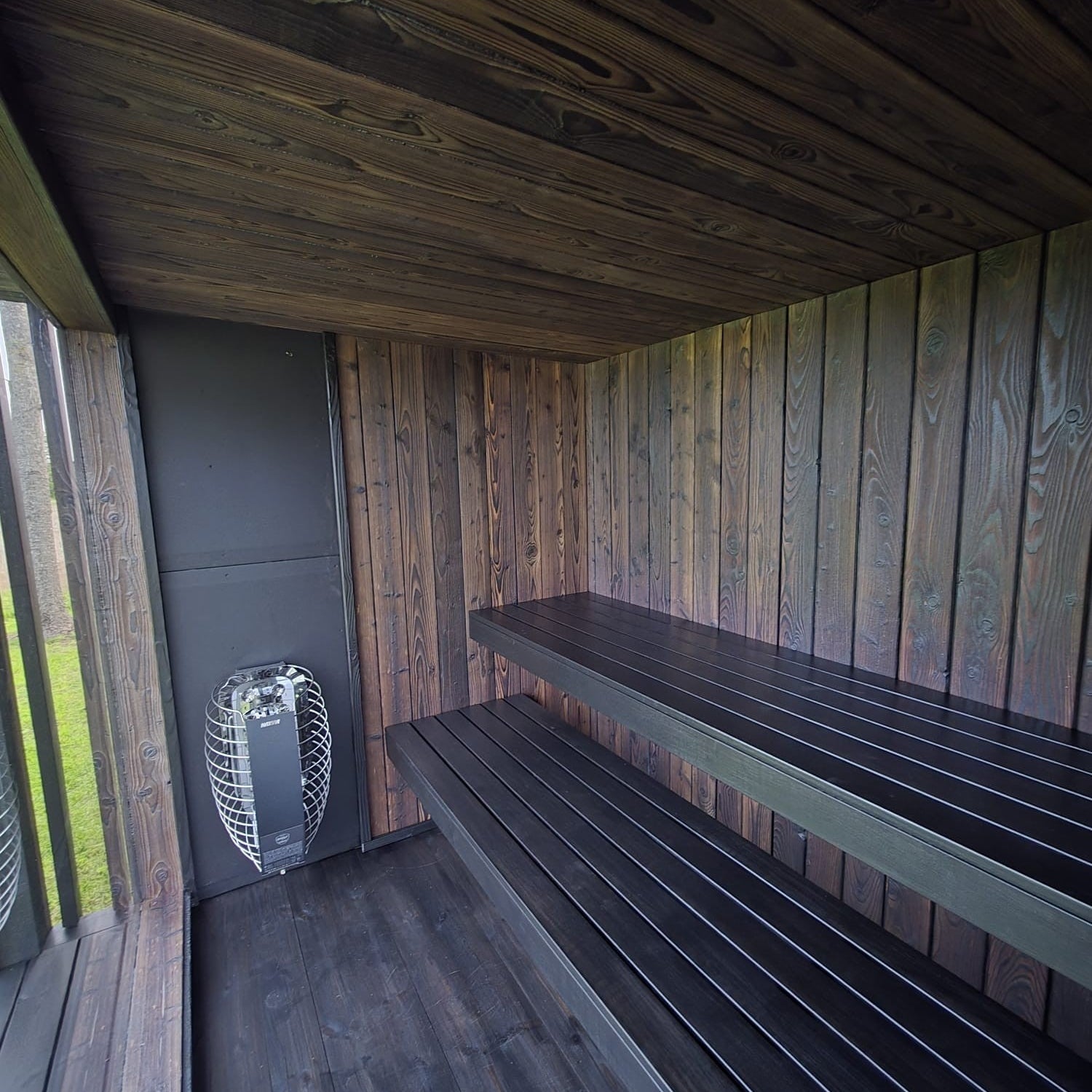
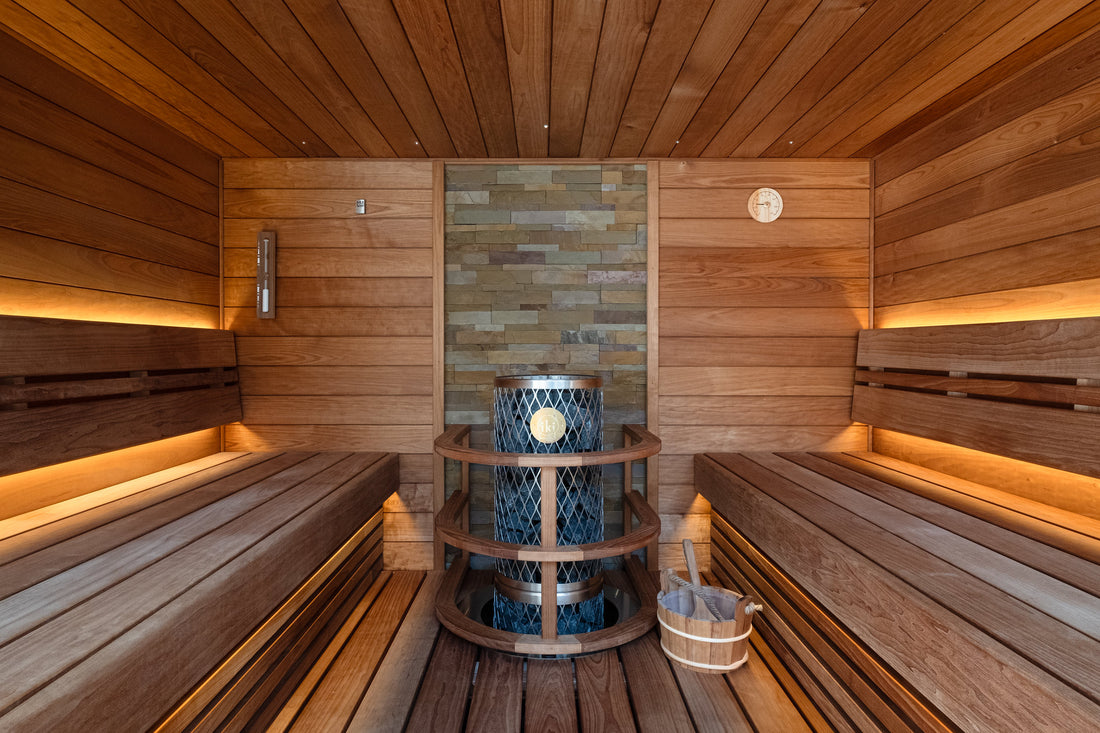
The fundamental difference is temperature and humidity. A traditional Finnish sauna operates at 80–100°C with very low humidity (typically 10–20%). A steam room operates at a much lower temperature (40–50°C) but with 100% humidity — the air is saturated with steam.
Health Benefits: Sauna
- —Cardiovascular benefits: The most significant cardiovascular research has been conducted on dry saunas — the Finnish studies showing reduced heart disease risk are specific to traditional sauna use
- —Deeper heat penetration: The dry heat of a sauna penetrates more deeply into muscle tissue, making it more effective for muscle recovery and pain relief
- —Hormetic stress response: The intense heat of a sauna triggers a stronger hormetic stress response, which is associated with longevity benefits
- —Better for respiratory conditions: Dry heat is generally better tolerated by people with asthma or respiratory conditions
Health Benefits: Steam Room
- —Respiratory benefits: The moist heat of a steam room is particularly beneficial for respiratory conditions — it helps to open airways and clear congestion
- —Skin hydration: The high humidity of a steam room hydrates the skin more effectively than dry heat
- —Lower temperature tolerance: The lower temperature makes steam rooms more accessible to people who find the intense heat of a sauna uncomfortable
- —Joint and muscle relaxation: The moist heat is effective for relaxing stiff joints and muscles
Which is Better for Weight Loss?
Neither saunas nor steam rooms are effective tools for weight loss. Any weight lost during a session is water weight that will be replaced as soon as you rehydrate. Both facilities do increase metabolic rate temporarily, but the effect is modest and short-lived.
Which is Right for Your Home?
For most people, a traditional Finnish sauna is the better choice for a home installation. The cardiovascular and longevity research is more robust for dry saunas, the maintenance requirements are lower, and the experience is more versatile — you can add humidity by pouring water on the stones (löyly) to create a steam effect within the sauna.
A steam room is a good choice if you have specific respiratory conditions that benefit from moist heat, or if you find the intense heat of a sauna difficult to tolerate. Many of our clients choose to install both — a sauna and a steam room — as part of a dedicated home wellness suite.
Ready to start your sauna project? Book a free design consultation — CAD drawings and a full written quotation within 48 hours.
Design Your Home Wellness Suite→